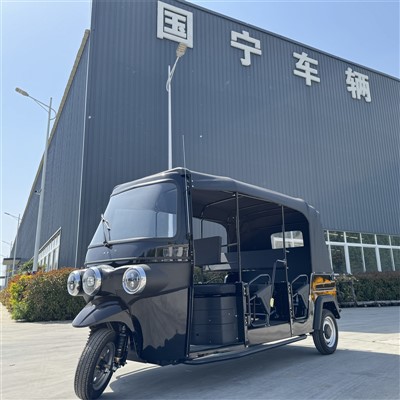

Hey there! As a supplier of 1.3 - meter electric vehicles, I'm super stoked to chat about the braking system of these awesome rides. Let's dig in!
First off, the braking system is like the heart of safety in any vehicle, and 1.3 - meter electric vehicles are no exception. These vehicles are designed for various purposes, whether it's for light - duty cargo transport or personal commuting. And a reliable braking system is crucial to ensure smooth and safe operation.
Types of Braking Systems in 1.3 - meter Electric Vehicles
Drum Brakes
Many of our 1.3 - meter electric vehicles come equipped with drum brakes. Drum brakes work in a pretty simple yet effective way. Inside the brake drum, there are brake shoes. When you press the brake pedal, a hydraulic or mechanical mechanism forces the brake shoes against the inner surface of the drum. This friction between the shoes and the drum slows down the rotation of the wheel, bringing the vehicle to a stop.
One of the big advantages of drum brakes is their cost - effectiveness. They're relatively inexpensive to manufacture and maintain, which is great for keeping the overall cost of our electric vehicles down. Also, drum brakes are well - protected from the elements since they're enclosed within the drum. This means they're less likely to be affected by water, dust, or debris, which can be a real plus, especially if the vehicle is used in rough or dirty environments.
However, drum brakes do have some drawbacks. They tend to generate a lot of heat during heavy braking. And when they get too hot, their braking performance can decrease, a phenomenon known as brake fade. Also, compared to some other types of brakes, drum brakes can be a bit slower to respond.
Disc Brakes
Some of our higher - end 1.3 - meter electric vehicles feature disc brakes. Disc brakes are more advanced and offer better braking performance. In a disc brake system, there's a metal disc (rotor) attached to the wheel. When you hit the brakes, calipers on either side of the disc squeeze brake pads against the disc. The friction between the pads and the disc slows down the wheel.
The main advantage of disc brakes is their superior stopping power. They can handle high - speed braking and heavy loads much better than drum brakes. Disc brakes also cool down faster, which means they're less prone to brake fade. This is really important, especially if the vehicle is used for frequent stops or in hilly areas where you need to rely on the brakes a lot.
But, disc brakes are more expensive to produce and maintain. The calipers, pads, and rotors need to be of high quality, and replacing them can be a bit pricier. Also, since the disc is exposed, it's more vulnerable to damage from rocks, debris, or water.
Components of the Braking System
Brake Pedal
The brake pedal is the interface between you and the braking system. When you press the brake pedal, it activates a series of mechanisms that ultimately apply the brakes. In our 1.3 - meter electric vehicles, the brake pedal is designed to be easy to reach and operate. It has a comfortable feel, so you can apply the right amount of pressure without getting tired.
Master Cylinder
The master cylinder is like the control center of the hydraulic braking system. When you press the brake pedal, it pushes a piston in the master cylinder. This piston then forces brake fluid through the brake lines to the brake calipers or wheel cylinders (in the case of drum brakes). The master cylinder ensures that the right amount of pressure is applied to the brakes based on how hard you press the pedal.

Brake Lines
Brake lines are the pipes that carry the brake fluid from the master cylinder to the brakes. They need to be strong and leak - proof. In our vehicles, we use high - quality brake lines that can withstand the pressure of the brake fluid. These lines are also protected to prevent damage from abrasion, heat, or corrosion.
Brake Pads and Shoes
Brake pads (for disc brakes) and brake shoes (for drum brakes) are the parts that actually create the friction to stop the vehicle. They're made of special materials that can withstand high temperatures and wear. Over time, these pads and shoes will wear out, and they need to be replaced. We recommend regular inspections to make sure they're in good condition.
Maintenance of the Braking System
Proper maintenance of the braking system is essential for the safety and performance of our 1.3 - meter electric vehicles. Here are some tips:
- Regular Inspections: Check the brake pads or shoes regularly for wear. If they're getting too thin, it's time to replace them. Also, inspect the brake lines for any signs of leaks or damage.
- Brake Fluid Check: The brake fluid level should be checked regularly. If it's low, it could indicate a leak in the system. And make sure to use the right type of brake fluid recommended for our vehicles.
- Cleaning: If you're using disc brakes, you can clean the rotors and pads periodically to remove any dirt or debris. This can help maintain their performance.
Comparing with Other Similar Vehicles
When it comes to other similar electric vehicles in the market, our 1.3 - meter electric vehicles stand out in terms of their braking system. Some of our competitors might cut corners on the braking components to save costs, which can compromise safety. But we believe in providing a high - quality braking system that you can rely on.
We also offer a variety of options, whether you need a more budget - friendly drum brake system or a high - performance disc brake system. This allows our customers to choose the vehicle that best suits their needs and budget.
Applications and the Importance of the Braking System
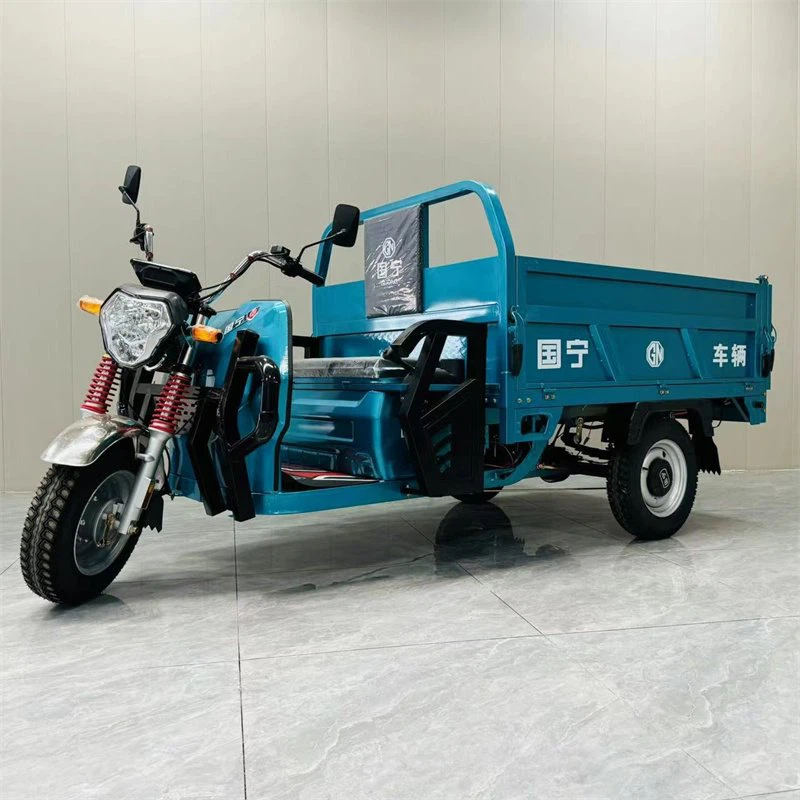
Our 1.3 - meter electric vehicles are used in many different applications. For example, they're great for small - scale cargo delivery. Automatic Unloading Tricycle is one of our popular models, which often needs to make frequent stops and starts. A reliable braking system is crucial in this case to ensure the safety of the driver and the cargo.
They're also suitable for personal use in urban areas. You can use them to commute to work or run errands. In busy city streets, you need to be able to stop quickly and safely. That's where our well - designed braking system comes in handy.
And if you're looking for a vehicle for more heavy - duty freight, our EU Certified Freight Tricycle and Freight Big Three Wheels are excellent choices. These vehicles carry larger loads, so a powerful and reliable braking system is a must.
Conclusion
In conclusion, the braking system of our 1.3 - meter electric vehicles is a carefully designed and important part of the overall vehicle. Whether it's the cost - effective drum brakes or the high - performance disc brakes, we make sure that each component is of high quality and works together seamlessly.
If you're interested in our 1.3 - meter electric vehicles or have any questions about the braking system, don't hesitate to reach out for a procurement discussion. We're always happy to help you find the perfect vehicle for your needs.
References
- Automotive Braking Systems Handbook, various authors
- Electric Vehicle Technology Manual, industry experts