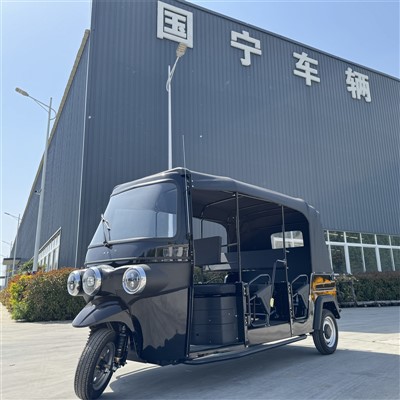

As a supplier specializing in Freight Tricycle with Cab, I often receive inquiries from customers about the servicing frequency of these vehicles. Proper servicing is crucial for maintaining the performance, safety, and longevity of freight tricycles with cabs. In this blog, I'll delve into the factors influencing servicing intervals and provide some general guidelines to help you keep your tricycle in top - notch condition.


Factors Affecting Servicing Frequency
1. Usage Intensity
The more often you use your freight tricycle with a cab, the more frequently it will need servicing. If your tricycle is used for daily, long - distance deliveries or heavy - load transportation, it will experience more wear and tear compared to one used occasionally. For example, a tricycle that covers 100 miles per day in urban traffic with multiple stops and starts will put more stress on its brakes, engine (or motor in the case of electric tricycles), and transmission than a tricycle used only once a week for short trips.
2. Operating Conditions
The environment in which the tricycle operates plays a significant role in determining servicing needs. If you operate in dusty, dirty, or wet conditions, components such as the air filter, brakes, and electrical systems are more likely to get contaminated. For instance, in a construction site where there is a lot of dust, the air filter can quickly become clogged, reducing engine efficiency. Similarly, if the tricycle is frequently exposed to rain or water, rust can form on metal parts, leading to corrosion and potential mechanical failures.
3. Quality of Components
The quality of the parts used in the freight tricycle also affects servicing frequency. Higher - quality components generally last longer and require less frequent replacement. When you purchase a tricycle from a reliable supplier, you can expect better - built engines, transmissions, and other critical parts. At our company, we ensure that all our Electrically Operated Tricycle are equipped with high - quality components to minimize maintenance needs.
4. Manufacturer's Recommendations
The manufacturer of the tricycle provides specific servicing schedules based on their testing and research. These recommendations take into account the design, materials, and intended use of the vehicle. It's essential to follow these guidelines as closely as possible to keep the warranty valid and to ensure the safe and efficient operation of the tricycle. Most manufacturers will provide a maintenance manual with details on when to perform oil changes, brake inspections, and other routine services.
General Servicing Intervals
1. Daily Checks
Before starting each day's operation, it's important to conduct a few basic checks on your freight tricycle with a cab.
- Tire Pressure: Check the tire pressure using a pressure gauge. Under - inflated or over - inflated tires can affect handling, fuel efficiency, and tire wear.
- Fluid Levels: For tricycles with internal combustion engines, check the engine oil, coolant, and brake fluid levels. Electric tricycles may need to have their battery electrolyte levels (if applicable) and brake fluid checked.
- Lighting and Signals: Ensure that all lights (headlights, taillights, turn signals) are working properly. This is crucial for safety, especially when operating in low - light conditions or in traffic.
2. Weekly Maintenance
- Cleaning: Clean the tricycle thoroughly, especially if it has been operating in dirty conditions. This includes washing the cab, frame, and wheels to remove dirt, dust, and debris.
- Brake Inspection: Check the brake pads for wear. If the brake pads are worn beyond the recommended thickness, they should be replaced immediately. Also, check the brake lines for any signs of leaks or damage.
- Chain and Sprocket Lubrication: If your tricycle has a chain - driven system, lubricate the chain and sprockets to reduce friction and wear.
3. Monthly Maintenance
- Battery Maintenance: For electric tricycles, check the battery's state of charge, terminals for corrosion, and ensure proper ventilation. If the battery is removable, clean it and check for any signs of damage.
- Suspension Inspection: Check the suspension components for any signs of wear or damage, such as leaks in the shock absorbers or loose bolts. Proper suspension is essential for a smooth ride and good handling.
4. Quarterly Maintenance
- Engine Tune - up (for combustion engines): This may include changing the spark plugs, air filter, and fuel filter. A proper tune - up can improve engine performance and fuel efficiency.
- Electrical System Check: Inspect the entire electrical system, including wiring, fuses, and connectors, for any signs of damage or loose connections.
5. Annual Maintenance
- Full Service: This is a comprehensive service that typically includes a detailed inspection of all major components, a complete oil change (for combustion engines), and a check - up of the drivetrain, steering, and braking systems. It's also a good time to have the tricycle's wheel alignment checked to ensure even tire wear.
Special Considerations for Different Types of Tricycles
1. 2.0m Cargo Tricycle
These tricycles are designed for carrying larger loads. The increased weight can put more stress on the brakes, suspension, and drivetrain. Therefore, more frequent servicing of these components may be required, especially if the tricycle is regularly fully loaded.
2. Elderly Commuting Tricycle
Although these tricycles are not typically used for heavy - load transportation, safety is of utmost importance. Frequent checks of the brakes, steering, and lighting should be carried out to ensure a safe riding experience for the elderly users.
The Importance of Regular Servicing
Regular servicing is not just about keeping your tricycle running; it's also about safety. A well - maintained tricycle is less likely to experience sudden breakdowns or mechanical failures on the road, which can be dangerous, especially when carrying goods or passengers. Additionally, proper servicing can extend the lifespan of your tricycle, saving you money in the long run by reducing the need for major repairs or premature replacement.
Contact for Purchase and Further Information
If you're in the market for a high - quality Freight Tricycle with Cab, we're here to help. We offer a wide range of tricycles to meet different needs and budgets. Whether you need an Electrically Operated Tricycle for eco - friendly transportation or a 2.0m Cargo Tricycle for heavy - duty hauling, we have the right solution for you. Contact us to discuss your requirements and get a personalized quote. Our team of experts is dedicated to providing you with the best products and services.
References
- Automotive Maintenance and Light Repair, by Tim Gilles and Robert C. Bastow
- Electric Vehicle Technology Explained, by John Heywood, James Larminie, and Gordon Leach
- Motorcycle and Tricycle Maintenance Manuals from various manufacturers