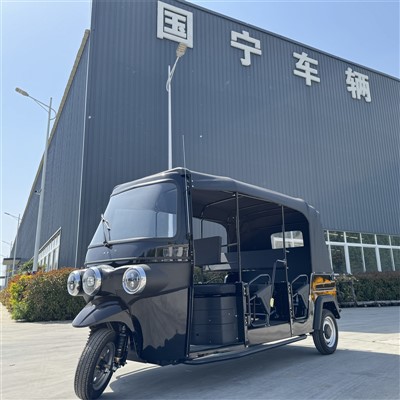

Hey there! As a supplier of elderly commuting tricycles, I often get asked about all sorts of things related to these awesome rides. One question that comes up quite a bit is, "What is the response time of the brakes on an elderly commuting tricycle?" Well, let's dive right into it.
First off, the response time of brakes on any vehicle, including an elderly commuting tricycle, is super important. It's basically the time it takes from the moment you hit the brake lever to when the wheels actually start to slow down and stop. For elderly riders, this is even more crucial because safety is our top priority.
There are a few factors that can affect the brake response time on an elderly commuting tricycle. One of the main ones is the type of brakes it has. Most tricycles for the elderly come with either drum brakes or disc brakes.
Drum brakes are a more traditional option. They work by using brake shoes that press against the inside of a drum attached to the wheel. These brakes are generally reliable and can provide good stopping power. However, they can be a bit slower to respond compared to disc brakes. That's because the brake shoes need to expand and make contact with the drum, which takes a little extra time.
On the other hand, disc brakes are a newer and more advanced technology. They use a caliper to squeeze a brake pad against a disc that's attached to the wheel. Disc brakes are known for their quick response time. When you pull the brake lever, the caliper can apply pressure to the disc almost instantly, which means the wheels start to slow down right away. This can be a big advantage, especially in emergency situations where every second counts.
Another factor that can affect brake response time is the condition of the brakes. Over time, brake pads can wear down, and the brake system can get dirty or damaged. If the brake pads are worn out, they won't be able to grip the wheel as effectively, which can increase the response time. Regular maintenance is key to keeping your brakes in top shape. Make sure to check the brake pads regularly and replace them when they start to get thin. Also, keep the brake system clean and free of debris.
The weight of the tricycle and the rider can also play a role in brake response time. A heavier tricycle or rider will require more force to stop, which can take a little longer. That's why it's important to choose a tricycle with brakes that are powerful enough to handle the weight. At our company, we make sure to test our tricycles with different weights to ensure that the brakes can provide a safe and reliable stopping distance.
Now, let's talk about some real-world numbers. The response time of brakes on an elderly commuting tricycle can vary depending on all the factors we've discussed. On average, a well-maintained tricycle with disc brakes might have a response time of around 0.1 to 0.2 seconds. That might not seem like much, but in a situation where you need to stop quickly, it can make a big difference.
For tricycles with drum brakes, the response time might be a bit longer, around 0.2 to 0.3 seconds. Again, this can vary depending on the specific tricycle and how well it's maintained.
At our company, we're always looking for ways to improve the brake response time on our tricycles. We work with top manufacturers to use the latest brake technology and materials. We also conduct extensive testing to make sure that our tricycles meet the highest safety standards.
If you're in the market for an elderly commuting tricycle, it's important to consider the brake response time. Look for a tricycle with high-quality brakes and make sure to ask the manufacturer about the testing they've done. You can also read reviews from other customers to see what they have to say about the brakes on different tricycles.
We offer a wide range of elderly commuting tricycles, each with its own unique features and benefits. For example, our Guoning 1.5m Three Wheeled Enclosed Caravan Freight is a great option for those who need a little extra storage space. It comes with reliable brakes that provide a quick and safe stopping distance.
Our 1.1m Electric Tricycle Cargo Bike is another popular choice. It's lightweight and easy to maneuver, and the brakes are designed to provide excellent stopping power.
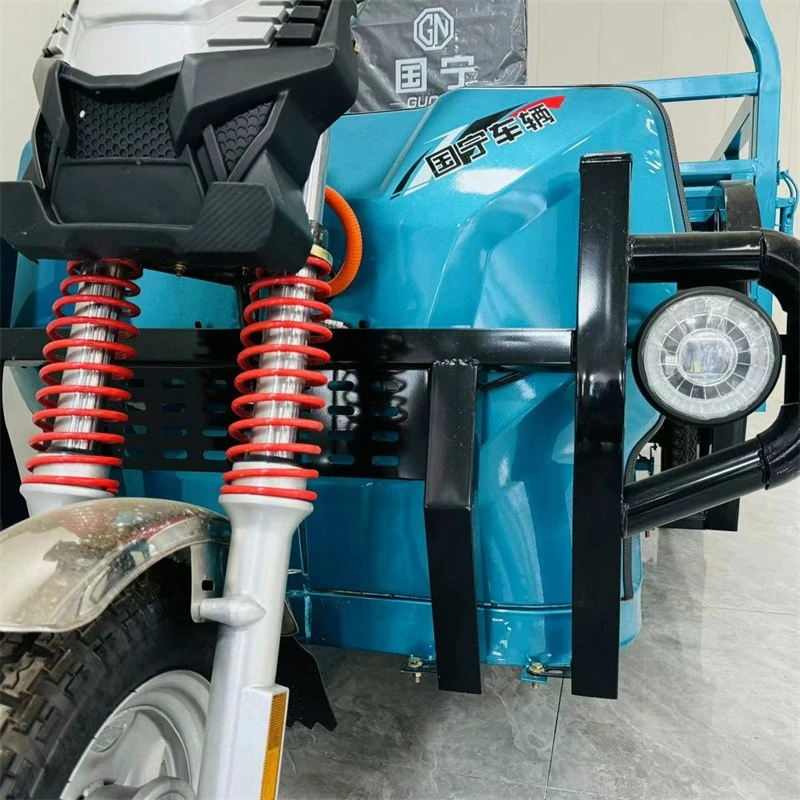

And if you need a larger tricycle, our 1.8-meter Cargo Tricycle is a great option. It can carry a lot of weight, but the brakes are still powerful enough to stop the tricycle quickly and safely.
In conclusion, the response time of the brakes on an elderly commuting tricycle is an important factor to consider when choosing a tricycle. By understanding the factors that can affect brake response time and choosing a tricycle with high-quality brakes, you can help ensure the safety of your elderly loved ones.
If you're interested in learning more about our elderly commuting tricycles or have any questions about brake response time, please don't hesitate to contact us. We're here to help you find the perfect tricycle for your needs. Let's start a conversation and see how we can work together to get you the right tricycle.
References
- Brake Technology Handbook for Light Vehicles, Various Authors