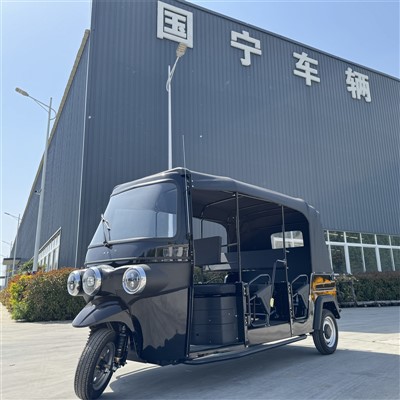

In recent years, the demand for air - conditioned tricycles has witnessed a significant upsurge, especially in regions where extreme temperatures can make outdoor travel uncomfortable. As a reputable air - conditioned tricycle supplier, I've had the opportunity to closely analyze two primary types of these vehicles: electric - powered and gasoline - powered air - conditioned tricycles. Understanding the differences between them is crucial for potential buyers, as it directly impacts their purchasing decisions. In this blog, I'll delve into the various aspects that set these two types of air - conditioned tricycles apart.
Power Source
The most fundamental difference between electric and gasoline - powered air - conditioned tricycles lies in their power sources. Electric tricycles rely on rechargeable batteries to generate energy. These batteries can be easily charged at home using a standard electrical outlet or at public charging stations. On the other hand, gasoline - powered tricycles use internal combustion engines that run on gasoline.
The choice of power source has far - reaching implications. Electric tricycles are generally more environmentally friendly, as they produce zero tailpipe emissions. In contrast, gasoline - powered tricycles emit carbon monoxide, hydrocarbons, and nitrogen oxides, contributing to air pollution. From an economic perspective, electricity is often cheaper than gasoline, which can result in significant cost savings for electric tricycle owners in the long run. However, gasoline - powered tricycles typically have a longer range per refueling compared to electric tricycles per charge.
Performance
When it comes to performance, both types have their own strengths. Electric air - conditioned tricycles offer instant torque, which means they can accelerate quickly from a standstill. This makes them ideal for stop - and - go city traffic. The electric motors are also relatively quiet, providing a smooth and peaceful ride for passengers.
Gasoline - powered tricycles, on the other hand, usually have more power and can handle heavier loads. They are better suited for long - distance travel and can maintain high speeds for extended periods. However, the internal combustion engines in gasoline tricycles are noisier and may require more maintenance compared to electric motors.
Maintenance
Maintenance is another crucial factor to consider. Electric air - conditioned tricycles have fewer moving parts compared to gasoline - powered counterparts. The electric motor has a simple design with no complex components such as spark plugs, carburetors, or exhaust systems. This generally translates to lower maintenance requirements and costs. Routine maintenance for electric tricycles mainly involves checking the battery, brakes, and tires.

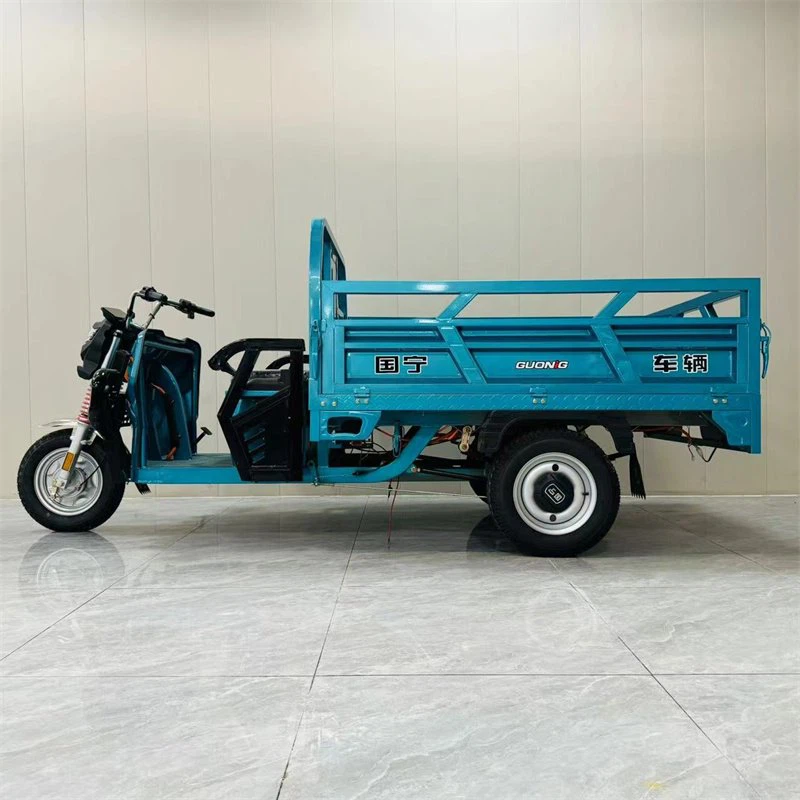
Gasoline - powered tricycles, however, need regular oil changes, filter replacements, and tune - ups to keep the engine running smoothly. The internal combustion engine is more prone to wear and tear, and any mechanical issues can be more complex and expensive to fix.
Cost
The initial cost of these two types of air - conditioned tricycles also varies. Electric tricycles usually have a higher upfront cost due to the expensive battery technology. However, as mentioned earlier, the operating cost of electricity is lower, which can offset the initial investment over time.
Gasoline - powered tricycles are generally cheaper to purchase initially. But considering the rising cost of gasoline and the higher maintenance requirements, the long - term cost of ownership can be relatively high.
Adaptability
In certain situations, one type may be more adaptable than the other. For instance, in areas with limited access to gasoline stations, an electric air - conditioned tricycle would be a more practical choice, as long as there is a reliable source of electricity for charging. Moreover, many urban areas are implementing stricter emission regulations, making electric tricycles a more compliant option.
On the other hand, in rural areas or regions where long - distance travel is common, the longer range of gasoline - powered tricycles may be more appealing.
Our Product Offerings
At our company, we understand that different customers have different needs. That's why we offer a diverse range of air - conditioned tricycles, including both electric and gasoline - powered options. Whether you're looking for a vehicle for city commuting or long - distance transportation, we have the perfect solution for you.
We also have a variety of specialized tricycles to meet different functional requirements. For example, if you need a tricycle for cargo transportation, check out our 1.8 - meter Cargo Tricycle. It offers ample space and reliable performance for your freight needs. For those seeking a larger - capacity option, our Freight Big Three Wheels might be the right choice. And if you're often traveling in rainy weather, our Three Wheeled Vehicle with Rain Shelter can provide you with the necessary protection.
Considerations for Purchase
When you're considering purchasing an air - conditioned tricycle, it's important to take several factors into account. First, assess your travel needs. If you mainly travel short distances within the city and want an eco - friendly option, an electric tricycle is probably the best choice. However, if you frequently need to carry heavy loads or travel long distances, a gasoline - powered tricycle may be more suitable.
Second, think about the infrastructure in your area. If there are plenty of charging stations or a reliable home charging option, an electric tricycle can be a convenient choice. Conversely, if gasoline stations are more accessible, a gasoline - powered tricycle won't present refueling problems.
Lastly, consider your budget. While electric tricycles may save you money in the long run, the high upfront cost might be a deterrent. Evaluate your financial situation and determine which option fits your budget best.
Conclusion
In conclusion, the differences between electric and gasoline - powered air - conditioned tricycles are multifaceted, covering aspects such as power source, performance, maintenance, cost, and adaptability. As a professional air - conditioned tricycle supplier, we are dedicated to providing our customers with detailed information and high - quality products. Whether you opt for an electric or gasoline - powered tricycle, we can ensure that you get a reliable and comfortable vehicle.
If you're interested in learning more about our air - conditioned tricycles or have any purchase - related questions, feel free to contact us to start a discussion. We're here to support you in making the best decision based on your unique requirements.
References
- "Fundamentals of Transportation Systems". Authors: Fred Mannering, Scott Washburn, Vijay K. V. Vaddi. Publisher: Wiley.
- "Alternative Fuels and Advanced Vehicle Technologies for Improved Environmental Performance". United States Department of Energy.
- "Electric and Hybrid Vehicles: Design Fundamentals". Author: Heungsoo Kim. Publisher: CRC Press.