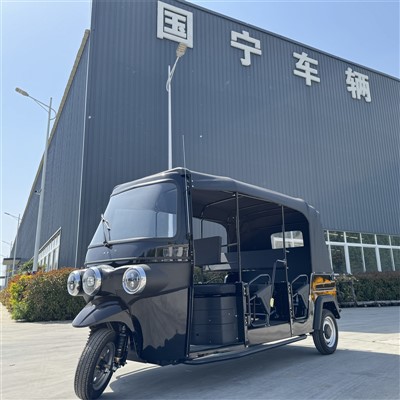

As a cargo electric vehicle supplier, I've witnessed firsthand how crucial the braking system is for these workhorses of the urban delivery scene. The braking system on a cargo electric vehicle is a complex and vital component that ensures the safety, efficiency, and reliability of these vehicles. Let's delve into what makes these braking systems so important and how they operate.
The Basics of a Cargo Electric Vehicle Braking System
Cargo electric vehicles are designed to carry substantial loads, often navigating through busy city streets, narrow alleys, and varied terrains. This means their braking systems need to be robust enough to handle the extra weight and the dynamic driving conditions.
The primary function of a braking system is to convert the kinetic energy of the moving vehicle into heat energy through friction, thereby slowing down or stopping the vehicle. In cargo electric vehicles, the braking system consists of several key components:
Brake Pads and Discs
Brake pads are the friction material that presses against the brake discs. When you apply the brakes, the brake calipers squeeze the brake pads onto the rotating brake discs. This friction generates heat and slows down the wheels. High - quality brake pads are essential for cargo electric vehicles as they need to withstand repeated high - stress applications due to the heavy loads. For our Freight Tricycle with Cab, we use brake pads made from advanced composite materials that offer excellent heat resistance and high friction coefficients, ensuring reliable braking performance even under heavy loads.
Brake Calipers
The brake calipers house the brake pads and are responsible for applying the necessary force to press the pads against the discs. They are typically operated hydraulically or electronically. Hydraulic calipers are more common in cargo electric vehicles as they provide a powerful and reliable way to transfer the braking force. When you press the brake pedal, hydraulic fluid is forced through a system of pipes to the calipers, which then squeeze the brake pads onto the discs. Our High Quality Chinese Stainless Steel Electric Tricycle features precision - engineered hydraulic calipers that ensure smooth and consistent braking.
Brake Pedal and Master Cylinder
The brake pedal is the driver's interface with the braking system. When you press the brake pedal, it activates the master cylinder, which generates hydraulic pressure. The master cylinder is designed to provide a proportional amount of pressure based on how hard you press the pedal. This allows for fine - tuned control over the braking force, which is especially important when maneuvering a heavy cargo electric vehicle.
Parking Brake
In addition to the service brakes, cargo electric vehicles are equipped with a parking brake. The parking brake is a mechanical system that is used to hold the vehicle in place when it is parked. It typically engages the rear wheels and provides an extra layer of safety to prevent the vehicle from rolling away. Our 2.0m Cargo Tricycle has a reliable parking brake mechanism that can handle the weight of a fully loaded vehicle.
The Role of Regenerative Braking
One of the unique features of many cargo electric vehicles is regenerative braking. Regenerative braking is a system that not only slows down the vehicle but also recovers some of the energy that would otherwise be lost as heat during braking. When you apply the brakes in a regenerative braking system, the electric motor switches to generator mode. As the wheels slow down, the motor generates electricity, which is then stored in the vehicle's battery.
Regenerative braking offers several benefits for cargo electric vehicles. Firstly, it helps to extend the vehicle's range. By recovering energy during braking, the vehicle can use this stored energy later to power the motor, reducing the overall energy consumption. Secondly, it reduces wear and tear on the traditional friction brakes. Since the regenerative braking system does some of the work of slowing down the vehicle, the brake pads and discs experience less stress, which means they need to be replaced less frequently. This leads to lower maintenance costs over the lifetime of the vehicle.
Safety Considerations
Safety is of utmost importance when it comes to cargo electric vehicles, and the braking system plays a central role in ensuring it. Here are some key safety features related to the braking system:
Anti - Lock Braking System (ABS)
Many modern cargo electric vehicles are equipped with an Anti - Lock Braking System (ABS). ABS prevents the wheels from locking up during hard braking, which can cause the vehicle to skid. When the ABS senses that a wheel is about to lock, it automatically adjusts the braking pressure to that wheel, allowing the driver to maintain steering control. This is especially important in wet or slippery conditions, where the risk of skidding is higher.
Brake Assist
Brake Assist is another safety feature that can be found on some cargo electric vehicles. Brake Assist detects when the driver is applying the brakes in an emergency situation and automatically applies maximum braking force if necessary. This can help to reduce the stopping distance and prevent collisions.
Regular Maintenance
To ensure the safety and reliability of the braking system, regular maintenance is essential. This includes checking the brake pads for wear, inspecting the brake lines for leaks, and ensuring that the hydraulic fluid is at the correct level. As a supplier, we provide detailed maintenance guides to our customers to help them keep their vehicles in top condition.
Performance and Efficiency
The braking system of a cargo electric vehicle also has a significant impact on its performance and efficiency. A well - designed braking system can improve the vehicle's overall handling and responsiveness. For example, a braking system with good modulation allows the driver to apply the brakes smoothly and gradually, which is important for precise maneuvering in tight spaces.
In terms of efficiency, as mentioned earlier, regenerative braking can help to reduce the energy consumption of the vehicle. Additionally, a lightweight braking system can also contribute to better energy efficiency, as it reduces the overall weight of the vehicle. We are constantly researching and developing new materials and technologies to make our braking systems lighter and more efficient without compromising on safety and performance.
Conclusion
In conclusion, the braking system on a cargo electric vehicle is a complex and essential component that combines traditional braking technologies with modern innovations like regenerative braking. It ensures the safety of the driver, the cargo, and other road users, while also contributing to the vehicle's performance and efficiency.
As a cargo electric vehicle supplier, we are committed to providing our customers with high - quality vehicles equipped with reliable braking systems. Whether you are looking for a Freight Tricycle with Cab, a High Quality Chinese Stainless Steel Electric Tricycle, or a 2.0m Cargo Tricycle, our vehicles are designed to meet the demanding needs of the urban delivery industry.


If you are interested in learning more about our cargo electric vehicles or would like to discuss a potential purchase, please feel free to reach out to us. We are always happy to answer your questions and help you find the right vehicle for your business needs.
References
- Bosch, Braking Systems Handbook
- SAE International, Electric Vehicle Technology Standards
- Society of Automotive Engineers, Papers on Electric Vehicle Braking Technologies