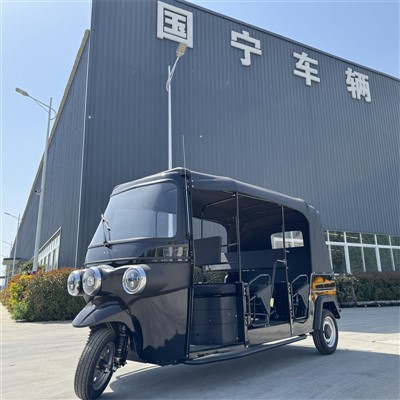

Hey there! As a supplier of cargo electric vehicles, I've had the pleasure of diving deep into what makes these bad boys tick. In this blog, I'm gonna break down the key components of a cargo electric vehicle, so you can get a better understanding of what you're investing in.
Battery System
Let's start with the heart of the cargo electric vehicle - the battery system. This is what powers the whole shebang. Just like a regular car needs fuel, an electric vehicle needs a good battery.
The most common type of battery used in cargo electric vehicles is the lithium - ion battery. Why? Well, they've got a high energy density, which means they can store a lot of energy in a relatively small space. That's super important for cargo vehicles because you don't want a huge, bulky battery taking up all the cargo space.
Another great thing about lithium - ion batteries is their long lifespan. They can go through hundreds, sometimes thousands, of charge - discharge cycles before they start to lose their capacity. This means you won't have to replace the battery too often, which saves you money in the long run.
But it's not just about the battery itself. You also need a good battery management system (BMS). The BMS is like the brain of the battery. It monitors the battery's temperature, voltage, and state of charge. It makes sure the battery is charging and discharging safely and efficiently. Without a proper BMS, the battery could overheat, overcharge, or discharge too quickly, which can damage the battery and even pose a safety risk.
Electric Motor
Next up is the electric motor. This is what turns the electrical energy from the battery into mechanical energy to move the vehicle. There are different types of electric motors used in cargo electric vehicles, but the most popular ones are the permanent - magnet synchronous motors (PMSM) and the induction motors.
PMSM motors are known for their high efficiency and power density. They can produce a lot of torque, which is important for cargo vehicles because they often have to carry heavy loads. They're also relatively small and lightweight, which is great for keeping the overall weight of the vehicle down.
Induction motors, on the other hand, are a bit more rugged and reliable. They don't have any permanent magnets, which makes them less expensive to manufacture. They can also handle high temperatures and harsh environments better than PMSM motors.
The motor controller is another crucial part of the electric motor system. It regulates the power and speed of the motor. It takes the input from the driver (like how hard you press the accelerator pedal) and adjusts the power output of the motor accordingly. A good motor controller can improve the vehicle's performance, efficiency, and drivability.
Cargo Compartment
Now, let's talk about the cargo compartment. After all, this is what a cargo electric vehicle is all about. The design and size of the cargo compartment depend on the specific needs of the user.
Some cargo electric vehicles have an open - top cargo area, which is great for carrying large, bulky items like furniture or construction materials. Others have an enclosed cargo compartment, which provides protection from the elements and can be used to transport sensitive or valuable goods.
The material of the cargo compartment is also important. It needs to be strong and durable to withstand the weight of the cargo. Common materials include steel, aluminum, and fiberglass. Steel is very strong but heavy, while aluminum is lightweight but not as strong as steel. Fiberglass is a good compromise between strength and weight, and it can also be molded into different shapes.
We offer a variety of cargo electric vehicles with different cargo compartment sizes and designs. For example, our Guoning 1.5m Three Wheeled Enclosed Caravan Freight has a well - designed enclosed cargo area that can safely transport your goods. And our 2.0m Cargo Tricycle provides a larger open - top cargo space for bigger loads.
Chassis and Suspension
The chassis is the framework of the vehicle. It supports all the other components and provides a stable platform for the vehicle to move on. A good chassis needs to be strong and rigid to handle the weight of the vehicle and the cargo.
The suspension system is what connects the wheels to the chassis. It absorbs the shocks and vibrations from the road, providing a smooth ride for the driver and protecting the cargo from damage. There are different types of suspension systems, such as independent suspension and non - independent suspension.
Independent suspension allows each wheel to move up and down independently, which provides better handling and a more comfortable ride. Non - independent suspension, on the other hand, is simpler and less expensive, but it doesn't offer as good a ride quality.
Braking System
A reliable braking system is essential for any vehicle, and cargo electric vehicles are no exception. The braking system needs to be able to stop the vehicle safely, even when it's carrying a heavy load.
Most cargo electric vehicles use a combination of regenerative braking and friction braking. Regenerative braking is a cool feature that allows the vehicle to recover some of the energy that would otherwise be lost during braking. When you apply the brakes, the electric motor acts as a generator, converting the kinetic energy of the vehicle into electrical energy and storing it back in the battery.
Friction braking, on the other hand, uses brake pads and rotors to slow down the vehicle. It's a more traditional braking method, but it's still very important for providing a reliable and powerful braking force.
Control and Instrumentation
The control and instrumentation system is what allows the driver to operate the vehicle and monitor its performance. It includes things like the steering wheel, accelerator pedal, brake pedal, and dashboard.
The dashboard usually has a display that shows important information such as the battery level, speed, and distance traveled. Some modern cargo electric vehicles also have advanced features like GPS navigation, Bluetooth connectivity, and a rear - view camera.
These features not only make the vehicle more convenient to use but also improve safety. For example, the rear - view camera can help the driver see what's behind the vehicle when backing up, reducing the risk of accidents.
Other Components
There are also some other components that are important for the overall performance and functionality of the cargo electric vehicle. These include the lighting system (headlights, taillights, and turn signals), the charging system, and the cooling system.


The lighting system is crucial for visibility, especially when driving at night or in low - light conditions. The charging system allows you to recharge the battery. It can be a slow - charging system for overnight charging or a fast - charging system for quick top - ups.
The cooling system is responsible for keeping the battery, motor, and other components at a safe operating temperature. Overheating can damage these components and reduce their lifespan.
As a supplier of cargo electric vehicles, we also offer Elderly Commuting Tricycle for those who have different transportation needs.
If you're in the market for a cargo electric vehicle, I hope this blog has given you a better understanding of what to look for. We've got a wide range of cargo electric vehicles to choose from, and we're always happy to help you find the right one for your business. Whether you need a small, nimble vehicle for urban deliveries or a large, heavy - duty vehicle for long - distance hauling, we've got you covered.
If you're interested in our products, don't hesitate to reach out to us for a purchase negotiation. We're looking forward to working with you and helping you take your business to the next level.
References
- SAE International. (2023). Electric Vehicle Handbook.
- IEEE Transactions on Vehicular Technology. Various issues related to electric vehicle components.