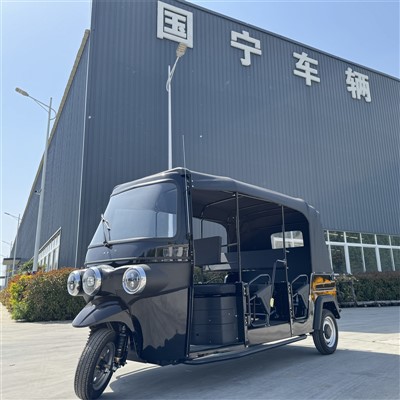

As a supplier of air conditioned tricycles, I've witnessed firsthand the growing popularity of these vehicles, especially in regions with extreme weather conditions. They offer a unique blend of mobility, comfort, and environmental friendliness. However, like any product, air conditioned tricycles come with their own set of disadvantages. In this blog post, I'll delve into some of the key drawbacks that potential buyers should be aware of.
1. High Initial Cost
One of the most significant disadvantages of air conditioned tricycles is their high initial cost. The addition of an air conditioning system to a tricycle significantly increases its price compared to a standard tricycle. This is due to the cost of the air conditioning unit itself, as well as the additional installation and integration work required. For many consumers, especially those on a tight budget, this can be a major deterrent.
The air conditioning system in these tricycles is not a simple add - on. It requires a specialized compressor, condenser, evaporator, and refrigerant, all of which are expensive components. Moreover, the system needs to be carefully calibrated to work efficiently within the limited space and power supply of a tricycle. As a result, the price of an air conditioned tricycle can be two to three times higher than that of a non - air conditioned model.
2. Increased Energy Consumption
Air conditioning systems are energy - hungry devices, and when installed on a tricycle, they can have a significant impact on the vehicle's energy consumption. Tricycles typically run on battery power, and the air conditioning system can quickly drain the battery, reducing the vehicle's range.
For example, a standard non - air conditioned electric tricycle might have a range of 50 - 100 kilometers on a single charge. However, when an air conditioning system is added, this range can be reduced by up to 50%. This means that users will need to recharge their tricycles more frequently, which can be inconvenient, especially for those who rely on their tricycles for long - distance travel or daily commuting.
3. Maintenance Complexity
Maintaining an air conditioned tricycle is more complex and expensive than maintaining a regular tricycle. The air conditioning system has numerous components that need to be regularly checked and serviced to ensure optimal performance. This includes checking the refrigerant levels, cleaning the condenser and evaporator coils, and inspecting the compressor for any signs of wear and tear.
In addition, if there is a problem with the air conditioning system, it can be difficult and costly to repair. Unlike the mechanical parts of a tricycle, which are relatively easy to access and replace, the air conditioning system often requires specialized tools and expertise. This means that users may need to take their tricycles to a professional repair shop, which can be time - consuming and expensive.
4. Limited Space
Air conditioned tricycles often have limited space due to the installation of the air conditioning system. The compressor, condenser, and other components of the system take up valuable space inside the tricycle, which can reduce the available cargo or passenger space.
For users who need to carry a lot of goods or passengers, this can be a major drawback. For example, a cargo tricycle that is converted into an air conditioned model may have its cargo capacity reduced by up to 30%. Similarly, a passenger tricycle may have less legroom or seating space, making the ride less comfortable for passengers.
5. Environmental Impact
While tricycles are generally considered to be more environmentally friendly than cars and other motor vehicles, the air conditioning system on an air conditioned tricycle can have a negative impact on the environment. The refrigerants used in air conditioning systems are known to be greenhouse gases, and if they leak into the atmosphere, they can contribute to global warming.
In addition, the increased energy consumption of air conditioned tricycles means that more electricity is needed to power them. If this electricity is generated from fossil fuels, it can lead to increased carbon emissions. As a result, the environmental benefits of using a tricycle may be partially offset by the air conditioning system.
6. Noise Pollution
Air conditioning systems produce noise when they are operating, and this can be a nuisance for both the rider and others on the road. The compressor and fans in the air conditioning system generate a constant humming sound, which can be distracting and annoying, especially during long rides.
In addition, the noise can also be a problem in quiet residential areas or in places where noise pollution is strictly regulated. Riders may find themselves being asked to turn off the air conditioning system or being fined for excessive noise.
Conclusion
Despite these disadvantages, air conditioned tricycles still have their place in the market. They offer a level of comfort that is unmatched by non - air conditioned tricycles, especially in hot and humid climates. However, potential buyers should carefully consider these drawbacks before making a purchase.
If you are interested in exploring other types of tricycles, we also offer a range of Cargo Electric Vehicle, Three Wheeled Vehicle with Rain Shelter, and EU Certified Freight Tricycle. These tricycles may be more suitable for your specific needs if the disadvantages of air conditioned tricycles are a concern.


If you have any questions or would like to discuss your tricycle requirements further, please feel free to contact us. We are always happy to assist you in finding the right tricycle for your needs.
References
- "Energy Efficiency of Electric Vehicles with Auxiliary Systems" - Journal of Sustainable Transportation
- "Environmental Impact of Refrigerants in Air Conditioning Systems" - Environmental Science and Technology
- "Maintenance Guide for Electric Tricycles" - Tricycle Manufacturer's Handbook