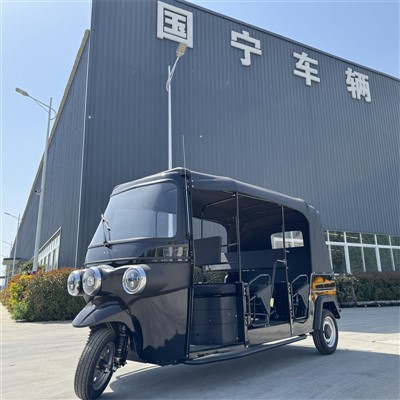

As a supplier of 1.6m small express delivery solutions, I've had the privilege of witnessing the dynamic nature of the express delivery industry from both domestic and international perspectives. In this blog, I'll delve into the key differences between domestic and international 1.6m small express delivery, shedding light on various aspects that are crucial for businesses and individuals involved in this sector.
Market Scale and Demand
Domestic express delivery markets are often characterized by a large and diverse customer base. In countries with a high population density and a well - developed e - commerce industry, the demand for small express delivery is substantial. For example, in China, the booming e - commerce platforms have led to an exponential growth in domestic express delivery volume. The domestic market is also more attuned to local consumption patterns and trends. Customers often expect fast delivery times, sometimes within the same day or the next day, especially in urban areas. This high - speed delivery demand has spurred the development of local logistics networks, with numerous sorting centers and delivery stations established to ensure efficient operations.
On the other hand, international 1.6m small express delivery caters to a global customer base. The demand is more fragmented, as it involves different regions with varying economic development levels, cultural preferences, and regulatory environments. International e - commerce is growing rapidly, but it faces challenges such as longer delivery times due to customs clearance, cross - border transportation, and different time zones. The market for international small express delivery is also more competitive in a global sense, with many international courier companies vying for a share of the market. The range of products being shipped internationally is also more diverse, from high - tech gadgets to unique handicrafts, which requires more careful handling and packaging.
Regulatory and Compliance
Domestic express delivery is subject to local laws and regulations. These regulations mainly focus on aspects such as safety, packaging standards, and labor laws. For instance, in some countries, there are strict regulations regarding the transportation of hazardous materials, and express delivery companies must ensure compliance to avoid legal issues. Local governments may also set standards for vehicle emissions if the delivery is done by road. As a 1.6m small express delivery supplier, we need to ensure that our delivery vehicles meet these local environmental and safety standards.
International express delivery, however, is a complex web of regulations. It involves not only the regulations of the origin country but also those of the destination country. Customs regulations are a major hurdle. Different countries have different rules regarding import duties, product restrictions, and documentation requirements. For example, some countries may restrict the import of certain food items or electronic products. Failure to comply with these regulations can lead to delays, fines, or even the confiscation of goods. In addition, international trade agreements and treaties can also impact the express delivery business. As a supplier, we need to stay updated on these international regulations to ensure smooth cross - border operations.
Delivery Infrastructure
In the domestic market, the delivery infrastructure is usually well - developed in urban areas. There are extensive road networks, sorting centers, and local delivery stations. This allows for efficient last - mile delivery, which is crucial for customer satisfaction. Many domestic express delivery companies use a variety of vehicles, including vans, motorcycles, and Electric Cargo Tricycle for short - distance and congested area deliveries. These vehicles are designed to be maneuverable and cost - effective for local operations.
Internationally, the delivery infrastructure can vary greatly from one region to another. While some developed regions have advanced logistics systems similar to those in domestic markets, many developing regions may lack proper transportation networks, sorting facilities, and reliable communication systems. This can lead to longer delivery times and higher costs. For cross - border transportation, air freight is often used for faster delivery, but it is more expensive. Sea freight is a more cost - effective option for larger volumes but has much longer transit times. As a supplier, we need to work with different logistics partners around the world to ensure that our 1.6m small express delivery can reach customers in a timely and cost - effective manner.
Packaging and Labeling
Domestic packaging requirements are generally more straightforward. The focus is on protecting the product during transit and ensuring that it meets local safety standards. Packaging materials are usually chosen based on cost - effectiveness and availability. Labels are mainly used for addressing and basic product information.
In international express delivery, packaging needs to be more robust. The product may be subject to more handling during cross - border transportation, and it needs to withstand different environmental conditions. For example, products shipped to humid regions may require moisture - resistant packaging. Labeling is also more complex. It must include detailed information about the product, such as its origin, contents, and value, for customs clearance purposes. In addition, different languages may be required on the labels depending on the destination country.
Technology and Innovation
Domestic express delivery companies are often at the forefront of technological innovation in their local markets. They are quick to adopt new technologies such as real - time tracking systems, mobile applications for customers to place orders and track their packages, and automated sorting systems in warehouses. These technologies improve efficiency, reduce costs, and enhance the customer experience. For example, many domestic delivery companies use drones for last - mile delivery in some areas, which can significantly reduce delivery times.
In the international arena, technology is also playing a crucial role. However, the adoption rate may vary depending on the region. International courier companies are investing in technologies such as blockchain for better supply chain transparency, especially for high - value products. They are also using advanced data analytics to optimize their global logistics networks. As a 1.6m small express delivery supplier, we need to keep up with these technological trends to remain competitive in both domestic and international markets.
Cost Structure
The cost structure of domestic 1.6m small express delivery is mainly influenced by local factors. Labor costs, fuel prices, and the cost of maintaining delivery vehicles are significant components. In addition, the density of the delivery area can also impact costs. In densely populated urban areas, the cost per delivery may be lower due to the higher volume of deliveries in a smaller area.
International express delivery costs are more complex. They include not only transportation costs but also customs duties, taxes, and fees associated with cross - border operations. The distance of transportation, the mode of transportation (air, sea, or land), and the weight and volume of the package all affect the cost. For example, shipping a 1.6m small package by air to a distant country can be very expensive, while sea freight may be more cost - effective but slower. As a supplier, we need to provide cost - effective solutions to our customers while ensuring the quality of service.
Vehicle Requirements
For domestic 1.6m small express delivery, vehicles need to be suitable for local road conditions and traffic patterns. Closed Cargo Express Electric Tricycle are popular in many urban areas due to their small size, maneuverability, and low operating costs. They are also environmentally friendly, which is in line with the growing trend of sustainable development. Vans are also commonly used for larger volumes of deliveries or for longer - distance trips within the country.
In international express delivery, the vehicle requirements are more diverse. For cross - border land transportation, heavy - duty trucks or Heavy Goods Courier may be used to transport larger volumes of small packages. Air freight requires specialized handling equipment at airports, and sea freight involves containerization. The vehicles and equipment used in international express delivery need to be able to withstand long - distance travel and different environmental conditions.
Conclusion
In conclusion, the differences between domestic and international 1.6m small express delivery are significant in terms of market scale, regulatory compliance, delivery infrastructure, packaging, technology, cost structure, and vehicle requirements. As a 1.6m small express delivery supplier, we need to understand these differences to provide the best solutions for our customers. Whether it's a domestic e - commerce seller looking for fast and reliable local delivery or an international business expanding its global reach, we are committed to meeting their needs.


If you are interested in our 1.6m small express delivery solutions, we invite you to contact us for a detailed discussion. We are eager to work with you to develop customized delivery strategies that suit your specific requirements.
References
- "Global Express Delivery Market Report", Market Research Firm XYZ
- "Domestic Logistics and Express Delivery Trends", Local Industry Association Report
- "Cross - Border E - commerce and Express Delivery Regulations", International Trade Journal