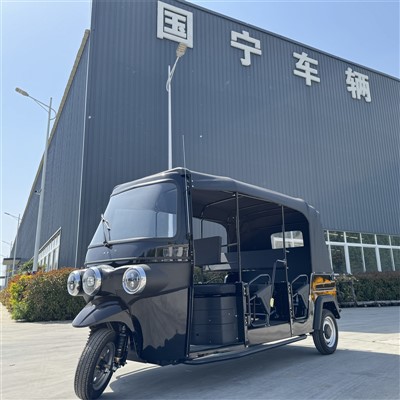

Automatic unloading tricycles have become an indispensable tool in various industries, especially for short - distance freight transportation. As a supplier of automatic unloading tricycles, I have encountered numerous common problems reported by our customers. In this blog, I will discuss these issues and provide practical solutions.
I. Common Problems and Solutions
A. Battery - related Problems
Automatic unloading tricycles are often electrically powered, and battery issues are among the most frequently reported problems.
-
Short Battery Life
- Cause: Overcharging, deep discharging, or using the battery in extreme temperatures can significantly reduce its lifespan. Additionally, old batteries or batteries of poor quality are more likely to have short lives.
- Solution: First, follow the correct charging procedures. Avoid overcharging by using a charger with an automatic shut - off function. Do not let the battery discharge completely. If possible, charge the battery when it reaches about 20 - 30% capacity. Also, store and use the tricycle in a temperature - controlled environment. If the battery is old, consider replacing it with a high - quality one. You can check our Electrically Operated Tricycle section for compatible and reliable batteries.
-
Slow Charging
- Cause: A faulty charger, a damaged charging port, or a problem with the electrical system of the tricycle can lead to slow charging.
- Solution: Start by checking the charger. Make sure it is the correct charger for your tricycle and that it is in good working condition. Inspect the charging port for any signs of damage, such as bent pins or corrosion. If the problem persists, it may be an issue with the electrical system, and it is recommended to have a professional technician diagnose and repair it.
B. Unloading Mechanism Problems
The automatic unloading function is one of the key features of these tricycles, but it can also present some challenges.
-
Failure to Unload
- Cause: Mechanical jams, electrical malfunctions in the unloading control system, or insufficient power supply to the unloading mechanism can cause the tricycle to fail to unload.
- Solution: First, visually inspect the unloading mechanism for any obvious jams, such as debris or broken parts. If there are no visible issues, check the electrical connections related to the unloading control system. Make sure all wires are properly connected and there are no signs of damage. If the power supply is the problem, check the battery level and the electrical circuit that powers the unloading mechanism. Our technical support team can provide more in - depth troubleshooting if needed.
-
Uneven Unloading
- Cause: An unbalanced load, a misaligned unloading platform, or a problem with the hydraulic or mechanical components of the unloading system can result in uneven unloading.
- Solution: Ensure that the load is evenly distributed in the cargo box before starting the unloading process. Check the alignment of the unloading platform. If it is misaligned, adjust it according to the manufacturer's instructions. For hydraulic or mechanical component problems, it is advisable to have a professional service the tricycle.
C. Tire and Wheel Problems
Tires and wheels are crucial for the smooth operation of the tricycle.
-
Flat Tires
- Cause: Punctures from sharp objects on the road, worn - out tires, or improper tire pressure can lead to flat tires.
- Solution: Regularly inspect the tires for signs of wear and tear. If you notice a puncture, you can patch it if it is a minor one. However, for more severe damage, it is best to replace the tire. Maintain the correct tire pressure according to the manufacturer's recommendations. You can find suitable replacement tires in our Transport Tricycle product range.
-
Wheel Alignment Issues
- Cause: Hitting curbs, potholes, or other impacts can cause the wheels to become misaligned.
- Solution: If you notice that the tricycle pulls to one side or the steering feels off, it may be a wheel alignment problem. Have a professional mechanic check and adjust the wheel alignment. Proper wheel alignment not only ensures a smooth ride but also extends the life of the tires.
D. Structural and Frame Problems
The structural integrity of the tricycle is essential for its safety and performance.


-
Cracks in the Frame
- Cause: Excessive load, rough handling, or long - term use can cause cracks to develop in the frame.
- Solution: Regularly inspect the frame for any signs of cracks. If a crack is detected, it is extremely important not to continue using the tricycle. Contact our customer service for advice on whether the frame can be repaired or if a replacement is necessary.
-
Loose Components
- Cause: Vibration during operation can cause bolts, nuts, and other components to become loose over time.
- Solution: Periodically check all the components of the tricycle and tighten any loose bolts or nuts. Pay special attention to areas such as the frame joints, the connection between the cargo box and the frame, and the wheel axles.
II. Preventive Maintenance Tips
To minimize the occurrence of these problems, here are some preventive maintenance tips:
-
Regular Inspections
Conduct regular visual inspections of the tricycle, including the battery, unloading mechanism, tires, wheels, and frame. Check for any signs of damage, wear, or loose components. -
Cleaning
Keep the tricycle clean, especially the unloading mechanism and the electrical components. Dirt and debris can cause mechanical jams and electrical problems. -
Lubrication
Lubricate the moving parts of the tricycle, such as the hinges of the unloading platform and the wheel bearings, at regular intervals to ensure smooth operation. -
Proper Storage
When not in use, store the tricycle in a dry and protected environment. This helps to prevent corrosion and damage from the elements.
III. Conclusion
As a supplier of automatic unloading tricycles, we understand the importance of keeping these vehicles in good working condition. By being aware of the common problems and their solutions, as well as following preventive maintenance tips, you can ensure the longevity and reliable performance of your automatic unloading tricycle.
If you are experiencing any problems with your automatic unloading tricycle that you cannot solve on your own, or if you are interested in purchasing a new tricycle, please feel free to contact us. We have a team of experts ready to assist you with your inquiries and provide you with the best solutions. Our Freight Big Three Wheels section offers a wide range of high - quality automatic unloading tricycles to meet your different needs. Let's start a conversation and find the perfect tricycle solution for your business!
References
- Manufacturer's manuals for automatic unloading tricycles
- Industry standards and guidelines for freight tricycle maintenance