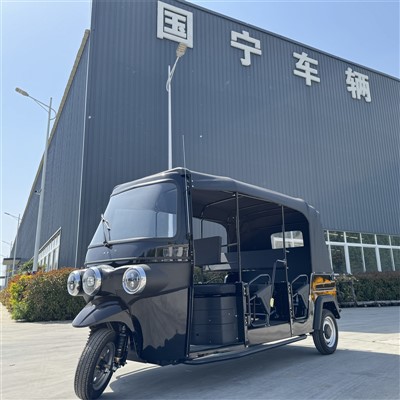

As a supplier of Automatic Unloading Tricycles, I've had numerous conversations with potential buyers who often wonder about the ease of operating these innovative vehicles. In this blog, I'll delve into the various aspects of operating an Automatic Unloading Tricycle to provide a comprehensive answer to this frequently asked question.
Understanding the Basics of an Automatic Unloading Tricycle
Before we discuss the ease of operation, it's essential to understand what an Automatic Unloading Tricycle is. These tricycles are designed to simplify the process of transporting and unloading goods. They are equipped with a mechanism that allows for automatic unloading, which can significantly reduce the time and effort required compared to traditional tricycles.
The tricycles typically feature a sturdy frame, a cargo compartment, and an unloading system. The unloading system can vary depending on the model, but it generally involves a hydraulic or mechanical mechanism that tilts the cargo compartment to release the load.
Ease of Maneuvering
One of the primary factors contributing to the ease of operating an Automatic Unloading Tricycle is its maneuverability. These tricycles are designed to be compact and agile, making them suitable for use in various environments, including narrow streets, alleys, and crowded marketplaces.
The three - wheel design provides excellent stability, especially when turning or navigating uneven surfaces. The steering mechanism is usually responsive and easy to control, allowing operators to make precise turns with minimal effort. This is particularly important when operating in tight spaces where a large turning radius could be a hindrance.
Loading and Unloading Process
The automatic unloading feature is the highlight of these tricycles, and it greatly simplifies the loading and unloading process. Loading goods onto the tricycle is similar to loading a traditional cargo tricycle. The cargo compartment is easily accessible, and there is usually enough space to accommodate a reasonable amount of goods.
When it comes to unloading, the automatic mechanism takes over. With just a simple press of a button or a pull of a lever, the cargo compartment tilts, and the goods are unloaded quickly and efficiently. This eliminates the need for manual labor, such as shoveling or lifting, which can be physically demanding and time - consuming.
For example, in a construction site where building materials need to be transported and unloaded, an Automatic Unloading Tricycle can save a significant amount of time and effort. Workers can focus on other tasks instead of spending hours unloading materials by hand.
Maintenance and Durability
Another aspect that affects the ease of operation is the maintenance requirements of the tricycle. Automatic Unloading Tricycles are generally designed to be durable and require minimal maintenance. The components are made from high - quality materials that can withstand the rigors of daily use.
Regular maintenance tasks, such as checking the tire pressure, lubricating the moving parts, and inspecting the hydraulic or mechanical system, are relatively straightforward and can be performed by the operator or a basic maintenance technician. This means that the tricycle can be kept in good working condition with minimal downtime, ensuring continuous operation.
Training Requirements
Operating an Automatic Unloading Tricycle does not require extensive training. Most operators can learn to drive and operate the unloading mechanism within a short period. The controls are intuitive, and the manufacturer usually provides a detailed user manual that explains the operation and maintenance procedures.
In some cases, the supplier may offer on - site training to ensure that the operators are familiar with all the features of the tricycle. This training can cover topics such as safety procedures, proper loading and unloading techniques, and basic maintenance.
Comparing with Other Options
When compared to other types of freight vehicles, Automatic Unloading Tricycles have several advantages in terms of ease of operation. For instance, larger trucks may require a commercial driver's license and more extensive training to operate. They also have limitations in terms of maneuverability, especially in urban areas.
On the other hand, traditional manual tricycles lack the automatic unloading feature, which means that operators have to rely on manual labor for unloading. This can be a significant drawback, especially when dealing with heavy or bulky goods.
Our Product Range
As a supplier, we offer a wide range of Automatic Unloading Tricycles to meet the diverse needs of our customers. Our product range includes models with different cargo capacities, power sources, and features.
For those who need a tricycle for use in all - weather conditions, we recommend our Three Wheeled Vehicle with Rain Shelter. This tricycle is equipped with a rain shelter, protecting the operator and the goods from the elements.
If you are looking for a high - quality and durable option, our High Quality Chinese Stainless Steel Electric Tricycle is a great choice. The stainless - steel construction ensures long - term durability, and the electric power source provides a clean and efficient way of operation.


For larger cargo requirements, our 1.8 - meter Cargo Tricycle offers a spacious cargo compartment, allowing you to transport more goods in a single trip.
Conclusion
In conclusion, operating an Automatic Unloading Tricycle is relatively easy. Its maneuverability, simple loading and unloading process, low maintenance requirements, and minimal training needs make it an attractive option for various industries. Whether you are in the construction, agriculture, or retail sector, these tricycles can help you improve efficiency and reduce labor costs.
If you are interested in learning more about our Automatic Unloading Tricycles or would like to discuss your specific requirements, we encourage you to get in touch with us. Our team of experts is ready to provide you with detailed information and assist you in making the right purchasing decision.
References
- Industry reports on freight tricycles
- Manufacturer's product manuals and specifications