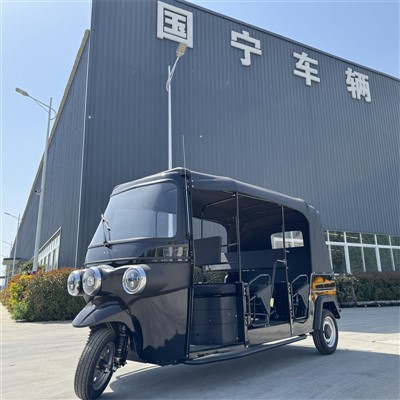

As a supplier of electric small trucks, I've had numerous conversations with customers about the maintenance of these vehicles. Many potential buyers often wonder, "Is it difficult to maintain an electric small truck?" In this blog, I'll delve into this question, providing insights based on my experience in the industry.
Understanding the Basics of Electric Small Trucks
Before we discuss maintenance, it's essential to understand what an electric small truck is. These vehicles are powered by electricity, typically using rechargeable batteries. They are designed for various purposes, such as urban delivery, light cargo transportation, and short - distance commuting. Compared to traditional fuel - powered trucks, electric small trucks have fewer moving parts, which can have a significant impact on maintenance requirements.
Advantages of Electric Small Trucks in Terms of Maintenance
One of the most significant advantages of electric small trucks is their simplicity. Unlike internal combustion engine (ICE) vehicles, electric trucks don't have complex components like a multi - cylinder engine, transmission, or exhaust system. This simplicity translates into fewer parts that can break down.
For example, there's no need for oil changes, which are a regular and sometimes costly maintenance task for ICE vehicles. The absence of a transmission also means there's no need for transmission fluid changes or complex transmission repairs. Electric motors are relatively straightforward in design, with fewer parts that can wear out over time. They typically have a long lifespan and require minimal maintenance, mainly consisting of periodic checks of the motor's electrical connections and bearings.
The braking system in electric small trucks often benefits from regenerative braking technology. When the driver applies the brakes, the electric motor acts as a generator, converting kinetic energy back into electrical energy and storing it in the battery. This not only helps to extend the vehicle's range but also reduces wear on the traditional friction brakes. As a result, brake pads and rotors tend to last longer, reducing the frequency of brake system maintenance.
Key Maintenance Areas for Electric Small Trucks
While electric small trucks have many maintenance advantages, there are still some key areas that require attention.
Battery Maintenance
The battery is the heart of an electric small truck, and proper battery maintenance is crucial for the vehicle's performance and longevity. Batteries need to be charged correctly. Overcharging or deep - discharging the battery can significantly reduce its lifespan. Most modern electric small trucks come with a battery management system (BMS) that helps to regulate the charging process and protect the battery from over - and under - charging.
However, it's still important for operators to follow the manufacturer's charging guidelines. For example, it's generally recommended to avoid leaving the battery at a very low state of charge for an extended period. Regularly checking the battery's state of health, including its capacity and voltage, is also essential. Some batteries may require a more in - depth inspection by a professional technician every few years to ensure they are in good condition.
Tire Maintenance
Tires are a critical component of any vehicle, and electric small trucks are no exception. Proper tire inflation is essential for safety, fuel efficiency (in the case of electric vehicles, it affects range), and tire longevity. Under - inflated tires can increase rolling resistance, which means the vehicle has to use more energy to move, reducing its range. Over - inflated tires can lead to uneven wear and a harsher ride.
Regularly checking the tire tread depth is also important. Worn - out tires can reduce traction, especially in wet or slippery conditions, increasing the risk of accidents. Rotating the tires at the recommended intervals helps to ensure even wear across all tires, extending their overall lifespan.
Electrical System Maintenance
The electrical system in an electric small truck includes components such as wiring harnesses, connectors, and controllers. These components need to be inspected regularly for signs of damage, corrosion, or loose connections. A loose electrical connection can cause a variety of problems, including reduced performance, intermittent failures, or even electrical fires in extreme cases.
Moisture and dirt can also affect the electrical system. For example, if water gets into a connector, it can cause corrosion, which can lead to poor electrical conductivity. Regular cleaning and inspection of the electrical components, especially in areas prone to exposure to the elements, are necessary to prevent these issues.


Comparing Maintenance Difficulty with Other Similar Vehicles
Let's compare the maintenance of electric small trucks with some other similar vehicles in the market.
Comparison with Traditional Small Trucks
As mentioned earlier, traditional small trucks with ICE engines have a more complex maintenance regime. In addition to the regular oil and transmission fluid changes, ICE vehicles also require more frequent tune - ups, including spark plug replacements, air filter changes, and exhaust system repairs. The engine's many moving parts are subject to wear and tear, which can lead to costly repairs over time.
On the other hand, electric small trucks have fewer maintenance tasks and generally lower long - term maintenance costs. This makes them an attractive option for businesses looking to reduce their operating expenses.
Comparison with Freight Tricycle with Cab and Air Conditioned Tricycle
Freight tricycles with cabs and air - conditioned tricycles are also popular for light cargo transportation. These vehicles often have simpler designs compared to traditional trucks, but they still have their own maintenance requirements. For example, the tricycle's frame, wheels, and steering components need to be regularly inspected for wear and damage.
Electric small trucks, with their more advanced technology and larger cargo capacity, may have a more complex electrical system but generally offer a more comfortable and efficient transportation solution. The maintenance of electric small trucks is more focused on the battery and electrical components, while tricycles may require more attention to mechanical parts such as the frame and suspension.
The 1.8 - meter Cargo Tricycle Perspective
The 1.8 - meter cargo tricycle is another option for small - scale cargo transportation. Similar to electric small trucks, it also uses an electric power source in many cases. However, its smaller size and different design mean that its maintenance requirements are somewhat different.
The cargo tricycle's smaller battery may have a different charging and maintenance schedule compared to an electric small truck. The tricycle's more compact frame and simpler suspension system may require less complex maintenance in some aspects. But it may also be more vulnerable to damage from rough roads or overloading due to its relatively smaller size.
Conclusion
In conclusion, maintaining an electric small truck is generally not difficult compared to traditional small trucks. The simplicity of their design, with fewer moving parts and advanced technologies like regenerative braking, reduces the frequency and complexity of maintenance tasks. However, proper attention still needs to be paid to key areas such as the battery, tires, and electrical system.
If you're in the market for an electric small truck or have questions about their maintenance, I encourage you to reach out to us. Our team of experts can provide you with detailed information about our products and offer guidance on maintenance best practices. Whether you're a small business owner looking for an efficient delivery solution or a logistics company aiming to reduce your carbon footprint, our electric small trucks are a great choice. Contact us today to start a conversation about your procurement needs and how we can help you find the perfect vehicle for your business.
References
- "Electric Vehicle Maintenance Guide", Electric Vehicle Association.
- "Battery Technology and Maintenance in Electric Vehicles", Journal of Automotive Engineering.
- "Comparative Study of Maintenance Costs in Electric and Traditional Trucks", Transportation Research Institute.