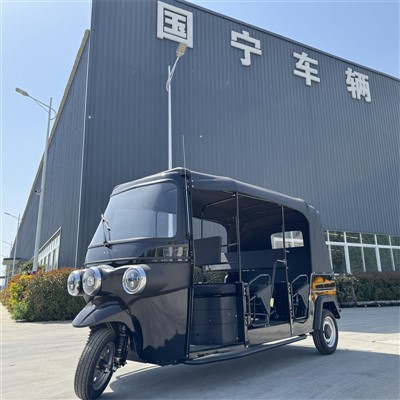

Hey there! As a supplier of leisure electric tricycles, I've gotten tons of questions about how these nifty rides work. One of the most common queries is about the braking system. So, let's dive right in and break down how the braking system on a leisure electric tricycle works.
The Basics of a Braking System
First off, the braking system on a leisure electric tricycle is super important. It's what keeps you safe when you're out enjoying a ride, whether you're cruising around the neighborhood or going on a longer adventure. At its core, the braking system's job is to slow down or stop the tricycle by converting the kinetic energy of the moving vehicle into heat energy.
There are a few key components that make up the braking system on a leisure electric tricycle. These include the brake levers, brake cables, brake calipers, and brake pads. Each part plays a crucial role in making sure the tricycle can stop effectively.
Brake Levers
Let's start with the brake levers. You'll find these on the handlebars of the tricycle. When you squeeze the brake lever, it's like giving the command to the rest of the braking system to get to work. It's a simple yet essential part of the process.
When you squeeze the brake lever, it pulls on the brake cable. The brake cable is like the messenger that carries the signal from the lever to the brake calipers. It's a strong, flexible cable that needs to be in good condition to ensure smooth and reliable braking.
Brake Cables
The brake cable is a vital link in the braking system. It runs from the brake lever all the way to the brake calipers. When the brake lever is squeezed, the cable tightens, which then activates the brake calipers.
It's important to keep an eye on the brake cables. Over time, they can wear out or become frayed. If you notice any signs of damage, it's a good idea to replace the cable to avoid any issues with braking performance.
Brake Calipers
The brake calipers are where the real action happens. When the brake cable tightens, it causes the brake calipers to squeeze the brake pads against the wheel's rim or the brake disc (depending on the type of braking system your tricycle has).
There are two main types of brake calipers: mechanical and hydraulic. Mechanical calipers are the most common on leisure electric tricycles. They use the force from the brake cable to squeeze the brake pads. Hydraulic calipers, on the other hand, use hydraulic fluid to transfer the force from the brake lever to the calipers. They tend to provide more powerful and precise braking, but they're also a bit more complex and expensive.
Brake Pads
The brake pads are the part of the braking system that actually makes contact with the wheel's rim or the brake disc. When the brake calipers squeeze the brake pads, the friction between the pads and the wheel or disc slows down the tricycle.
Brake pads are made of a special material that's designed to withstand high temperatures and provide good friction. Over time, the brake pads will wear down. It's important to check the thickness of the brake pads regularly and replace them when they get too thin. Otherwise, you might not be able to stop the tricycle effectively.
Types of Braking Systems
There are a few different types of braking systems you might find on a leisure electric tricycle. The most common ones are rim brakes and disc brakes.
Rim Brakes
Rim brakes are the simplest and most common type of braking system on leisure electric tricycles. They work by squeezing the brake pads against the wheel's rim. When the brake pads make contact with the rim, the friction slows down the wheel.
Rim brakes are relatively easy to maintain and repair. They're also lightweight and inexpensive. However, they can be affected by wet conditions, as water on the rim can reduce the friction between the brake pads and the rim.
Disc Brakes
Disc brakes are a more advanced type of braking system. They work by squeezing the brake pads against a brake disc that's attached to the wheel hub. Disc brakes provide more powerful and consistent braking performance, especially in wet or muddy conditions.
Disc brakes are a bit more complex and expensive than rim brakes. They also require more maintenance, as the brake pads and discs need to be checked and replaced more frequently. However, many riders prefer disc brakes for their superior stopping power.
Maintenance and Safety
To keep your leisure electric tricycle's braking system in top condition, it's important to perform regular maintenance. This includes checking the brake levers, cables, calipers, and pads for any signs of wear or damage. You should also make sure the brake system is properly adjusted.
If you notice any issues with the braking system, such as a spongy brake lever, a grinding noise when braking, or reduced braking performance, it's important to have it checked by a professional. Don't take any chances when it comes to your safety.
When you're out riding your leisure electric tricycle, it's also important to use the brakes correctly. Always squeeze the brake lever gradually, rather than slamming it down. This will help prevent skidding and give you better control over the tricycle.
Conclusion
So, there you have it! That's how the braking system on a leisure electric tricycle works. It's a complex yet fascinating system that plays a crucial role in keeping you safe on the road.
If you're in the market for a high-quality leisure electric tricycle, we've got some great options for you. Check out our High Quality Chinese Stainless Steel Electric Tricycle, Guoning 1.5m Freight Tricycle, and Air Conditioned Tricycle.


We're always happy to answer any questions you might have and help you find the perfect tricycle for your needs. If you're interested in purchasing a tricycle or have any other inquiries, don't hesitate to reach out to us for a procurement discussion.
References
- Bicycling Magazine. "How Bicycle Brakes Work."
- Sheldon Brown. "Bicycle Brakes."