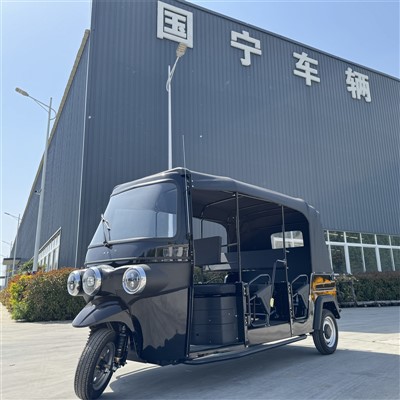

Hey there! I'm a supplier of elderly commuting tricycles, and I often get asked how these tricycles stack up against regular bicycles. So, I thought I'd take a deep dive into this topic and share my thoughts.
Stability: A Game - Changer
One of the most significant differences between an elderly commuting tricycle and a regular bicycle is stability. Regular bikes have two wheels, which means you need to have good balance to ride them. This can be a real challenge for the elderly, especially those with mobility issues or balance problems.
On the other hand, elderly commuting tricycles have three wheels. Two at the back and one at the front. This design provides a much wider base of support, making it almost impossible to tip over. You can stop at a traffic light without having to put your feet down, and you can take turns at a more relaxed pace. It's like having a safety net while you're out on the road.

Comfort: Riding in Style
Comfort is another area where elderly commuting tricycles shine. Most regular bicycles are designed with a focus on speed and performance. They often have a forward - leaning riding position, which can put a lot of pressure on your back, neck, and wrists.
Elderly commuting tricycles, however, are built with comfort in mind. They usually have a more upright riding position, which is easier on the body. The seats are also wider and more padded, providing better support for your backside during long rides. Some even come with adjustable seats and handlebars, so you can customize the fit to your body.
Storage: Carrying Your Stuff
When it comes to storage, regular bicycles are quite limited. You can attach a small basket or a rack, but the amount of stuff you can carry is still restricted. This can be a problem if you're going grocery shopping or need to carry a few items for a day out.
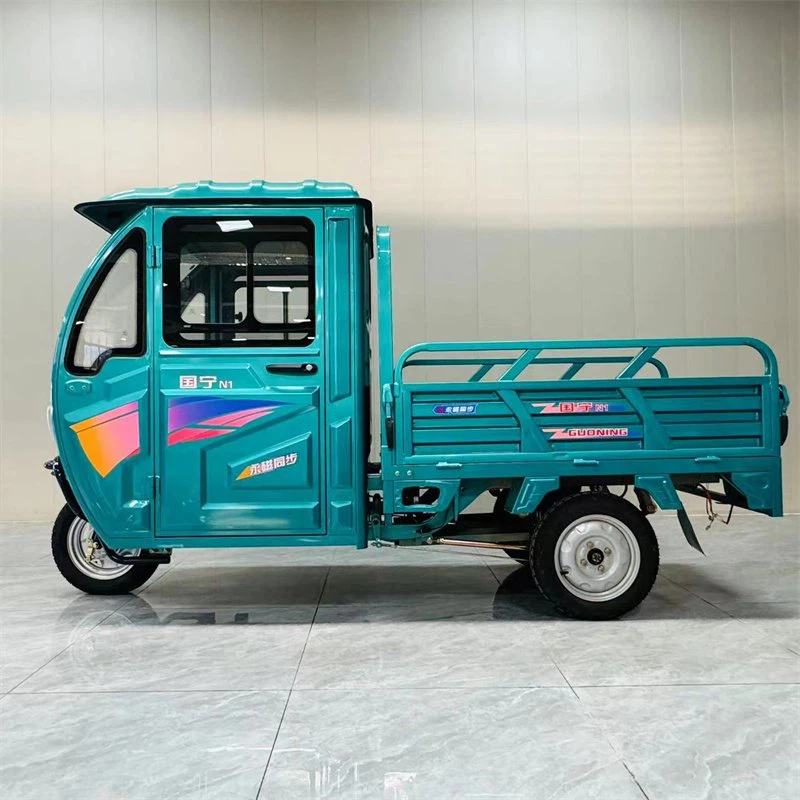
Elderly commuting tricycles, on the other hand, often come with built - in storage compartments. These can range from small baskets in the front to large cargo areas at the back. You can easily fit a couple of grocery bags, a backpack, or even a small suitcase. It's like having a little mobile storage unit on wheels.
Maneuverability: Getting Around with Ease
Regular bicycles are known for their agility. They can easily navigate through tight spaces and make sharp turns. However, this also requires a certain level of skill and physical ability.
Elderly commuting tricycles may not be as nimble as regular bikes, but they are still quite maneuverable. The turning radius is usually wider, but it's still manageable in most situations. And because of their stability, you don't have to worry about losing your balance while making turns.
Safety: Protecting the Rider
Safety is a top priority, especially for the elderly. Regular bicycles rely on the rider's ability to maintain balance and control. In case of an emergency stop or a sudden turn, there's a higher risk of falling off.
Elderly commuting tricycles are inherently safer. The three - wheel design reduces the risk of tipping over. Many also come with features like wider tires for better traction, powerful brakes for quick stops, and reflectors for increased visibility at night.
Cost: What You Pay For
In general, regular bicycles can be more affordable, especially the basic models. You can find a decent regular bike for a few hundred dollars.
Elderly commuting tricycles, on the other hand, tend to be more expensive. The additional features like the third wheel, storage compartments, and comfortable seats all add to the cost. However, when you consider the benefits in terms of stability, comfort, and safety, the extra cost can be well worth it.
Special Features of Elderly Commuting Tricycles
Some elderly commuting tricycles come with really cool special features. For example, there are Air Conditioned Tricycle models. These are great for hot summer days, allowing the rider to stay cool and comfortable during the journey.
There's also the Guoning 1.5m Three Wheeled Enclosed Caravan Freight. This type of tricycle offers an enclosed space, which can protect the rider from the elements like rain and wind.
And if you're involved in some light agricultural work, the Agricultural Electric Tricycle is a great option. It has the power and storage capacity to carry agricultural tools and produce.
Conclusion
So, how does an elderly commuting tricycle compare to a regular bicycle? Well, it really depends on your needs and abilities. If you're young, fit, and looking for a fast and agile ride, a regular bicycle might be the way to go.
But if you're an elderly person or someone with balance or mobility issues, an elderly commuting tricycle is a much better choice. It offers stability, comfort, storage, and safety features that are specifically designed for your needs.
If you're interested in learning more about our elderly commuting tricycles or are thinking about making a purchase, I'd love to have a chat with you. Just reach out, and we can start a discussion about which tricycle would be the best fit for you.
References
- Cycling Industry Reports
- Studies on Elderly Mobility and Transportation
- Manufacturer's Specifications for Bicycles and Tricycles