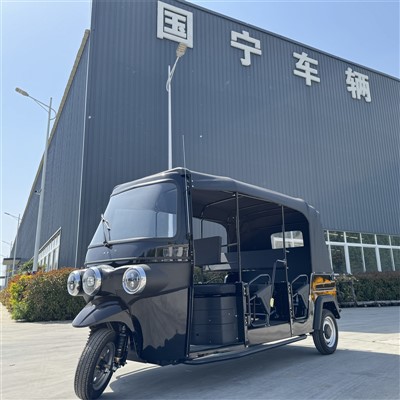

Are three - wheeled taxis popular in big cities?


As a supplier of three - wheeled taxis, also known as tuk - tuks, I've had a front - row seat to the changing dynamics of urban transportation. The question of whether three - wheeled taxis are popular in big cities is a complex one, influenced by a multitude of factors including cultural preferences, economic conditions, and infrastructure.
Cultural and Historical Context
In many Asian and African cities, three - wheeled taxis have deep cultural roots. In Bangkok, Thailand, the iconic tuk - tuk is as much a part of the city's identity as the Grand Palace. These vehicles have been a staple of urban transportation for decades, offering a quick and affordable way to navigate the congested streets. Tourists are often drawn to the novelty of riding in a tuk - tuk, experiencing the city's vibrant atmosphere up close. The open - air design allows passengers to soak in the sights, sounds, and smells of the city, creating a unique and memorable experience.
In India, auto - rickshaws, a type of three - wheeled taxi, are ubiquitous in cities like Mumbai and Delhi. They are a lifeline for millions of commuters, providing door - to - door service in areas where larger vehicles may struggle to reach. The auto - rickshaw's small size and maneuverability make it ideal for navigating the narrow and crowded lanes of Indian cities. Moreover, the affordability of these rides makes them accessible to a wide range of income groups.
Advantages in Urban Mobility
One of the key reasons for the popularity of three - wheeled taxis in big cities is their ability to navigate through traffic congestion. In large metropolises, traffic jams are a daily reality, and traditional four - wheeled taxis can get stuck for hours. Three - wheeled taxis, on the other hand, can easily squeeze through narrow gaps between vehicles, allowing passengers to reach their destinations faster. This advantage is particularly significant in cities with poorly planned road networks or high population densities.
Another advantage is their low cost of operation. Three - wheeled taxis are generally more fuel - efficient than larger vehicles, which translates into lower operating costs for drivers. This, in turn, allows them to offer more competitive fares to passengers. For budget - conscious commuters, this is a major selling point. Additionally, the maintenance costs of three - wheeled taxis are relatively low, making them an attractive option for small - scale entrepreneurs looking to enter the transportation business.
Challenges in Big Cities
However, three - wheeled taxis also face several challenges in big cities. One of the main issues is safety. The open - air design of many tuk - tuks leaves passengers vulnerable to accidents, especially in high - speed collisions. Moreover, the lack of proper safety features such as airbags and seat belts in some models raises concerns about passenger protection. In some cities, regulatory authorities have imposed strict safety standards on three - wheeled taxis, which can increase the cost of ownership for drivers.
Another challenge is environmental impact. While some three - wheeled taxis are now available in electric versions, many still run on fossil fuels. These vehicles emit pollutants such as carbon monoxide, nitrogen oxides, and particulate matter, contributing to air pollution in big cities. As more and more cities around the world are focusing on reducing their carbon footprint, the future of traditional three - wheeled taxis may be at risk if they do not transition to cleaner energy sources.
The Role of Technology and Innovation
In recent years, technology has played a significant role in the evolution of three - wheeled taxis. Many companies are now developing electric three - wheeled taxis that offer a more sustainable and environmentally friendly alternative to traditional models. These Electric Passenger Tuk Tuk are powered by rechargeable batteries, which significantly reduce emissions and operating costs. Moreover, some electric tuk - tuks are equipped with advanced features such as GPS navigation, touch - screen displays, and mobile payment options, enhancing the passenger experience.
In addition, ride - hailing apps have also had a profound impact on the three - wheeled taxi industry. These apps allow passengers to book a tuk - tuk with just a few taps on their smartphones, providing a more convenient and efficient way to travel. They also offer features such as real - time tracking, driver ratings, and estimated fares, giving passengers more control over their journey.
Market Trends in Big Cities
In Western big cities, the popularity of three - wheeled taxis has been growing steadily in recent years. In cities like London and Paris, three - wheeled taxis are increasingly being used as a tourist attraction. Tourists are drawn to the novelty of riding in a tuk - tuk, and many companies now offer guided tours of the city in these vehicles. Moreover, some urban planners are exploring the potential of three - wheeled taxis as a solution for last - mile connectivity, especially in areas with limited public transportation options.
In emerging economies, the demand for three - wheeled taxis continues to be strong. As more people move to cities, the need for affordable and efficient transportation options is increasing. Three - wheeled taxis are well - positioned to meet this demand, especially in areas where the population density is high and the road infrastructure is limited.
Our Offerings as a Supplier
As a supplier of three - wheeled taxis, we are committed to providing high - quality and innovative products to our customers. Our Best Tuk Tuk models are designed to meet the diverse needs of urban transportation, whether it's for daily commuting or tourist tours. We offer a range of options, including electric and traditional fuel - powered models, to suit different preferences and budgets.
Our Tuk - Tuk Electric Tricycle is a prime example of our commitment to sustainability and innovation. These vehicles are equipped with state - of - the - art battery technology, providing a long - range and reliable performance. They also feature a comfortable and spacious interior, ensuring a pleasant ride for passengers.
Conclusion and Call to Action
In conclusion, three - wheeled taxis have both advantages and challenges in big cities. While they face issues such as safety and environmental impact, their ability to navigate through traffic congestion and offer affordable transportation makes them a popular choice in many urban areas. With the advancement of technology and the growing demand for sustainable transportation options, the future of three - wheeled taxis looks promising.
If you are interested in purchasing three - wheeled taxis for your transportation business or tourist operation, we would be delighted to discuss your requirements. Our team of experts can provide you with detailed information about our products, pricing, and after - sales support. Contact us today to start a conversation about how our three - wheeled taxis can meet your needs.
References
- Smith, J. (2020). Urban Transportation Trends in Asia. Journal of Urban Studies, 45(2), 123 - 135.
- Johnson, A. (2021). The Future of Three - Wheeled Taxis in Western Cities. Transportation Research, 56(3), 211 - 225.
- Brown, R. (2019). Safety and Sustainability in Three - Wheeled Taxi Design. International Journal of Vehicle Safety, 22(4), 345 - 358.